 EN
EN  VN
VN 
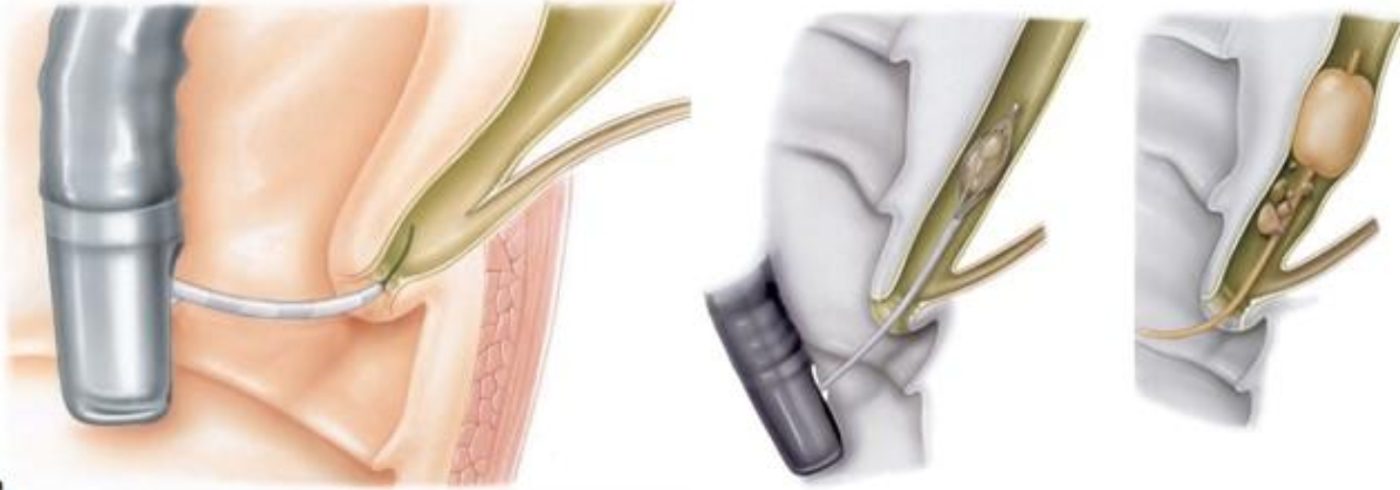
Endoscopic treatment of gallstones is a procedure performed to remove gallstones from the common bile duct via endoscopy. Through an endoscope inserted through the mouth, a fluoroscope and accompanying instruments (basket, balloon, spyglass, etc.) are used to remove or break up the stones.
WHAT YOU NEED TO KNOW ABOUT ENDOSCOPIC TREATMENT OF COMMON BILE DUCT STONES
Previously, gallstones in the common bile duct (CBD) required surgical intervention. Since the advent of endoscopic retrograde cholangiopancreatography (ERCP), doctors have been able to remove CBD stones endoscopically. This method has gradually replaced surgery and demonstrates many advantages:
- Minimally invasive techniques.
- It has minimal impact on health and appearance.
- Short hospital stay, quick recovery, few complications.
- The treatment costs are low.
Therefore, this is a fairly effective method and has overcome most of the disadvantages of surgery in patients with common bile duct stones.
PREPARATION AND PROCEDURE STEPS
1. What is endoscopic retrograde cholangiopancreatography (ERCP)?
This is a specialized technique used to observe the bile ducts, pancreatic ducts, and gallbladder. Through this, doctors can accurately diagnose and treat certain biliary-pancreatic diseases such as:
- Biliary obstruction caused by gallstones or worms in the bile ducts.
- Narrowing of the bile ducts causes bile duct obstruction.
- Biliary tract tumors…
2. Patient preparation before the procedure
Patients are diagnosed with or suspected of having common bile duct stones based on imaging and laboratory tests. Before the procedure, please note:
- Fast eating and drinking for at least 6 hours before the endoscopy.
- If you are taking cardiovascular medication or anticonvulsant medication, continue taking your prescribed medication as usual on the day you are taking it.
- If you have diabetes: do not take your morning medication until after the ERCP procedure.
- Contact your doctor at least 10 days before the procedure if you have diabetes or are taking anticoagulants (Aspirin, Warfarin, Enoxaparin, Plavix, etc.). Bring a list of your medications and dosages.
- The patient and their family agreed to the procedure after receiving a full explanation from the doctor.
3. ERCP (Elimination of Common Gallstones) Treatment Methods
The doctor uses a side-view endoscope with C-arm fluoroscopy to accurately determine the location, size, number, and characteristics of gallstones. They can then proceed as follows:
- Cut the sphincter of Oddi and dilate the bile ducts.
- Gallstones are broken up and removed from the bile ducts using a basket, balloon, or laser lithotripsy device via endoscopic cholangioscopy (Spyglass).
Stone removal using a basket or balloon: After cutting the sphincter of Oddi and dilating the bile duct, the doctor will use a basket or balloon to pull the stone out of the common bile duct. This method is usually applied to cases where the stone is less than 2 cm in size.

Laser lithotripsy via endoscopic biliary tract (Spyglass): This is a specialized device used in cases where stones are large (over 2cm) and cannot be removed using conventional baskets or balloons.

4. Adverse events and complications of the procedure
Overall, ERCP is a relatively safe and optimal procedure when performed by an experienced endoscopist. However, after the procedure, patients may experience:
- Mild discomfort (nausea, bloating, mild pain in the throat or upper abdomen) during the first few hours.
- Some less common complications include: biliary bleeding (1%), prolonged cholangitis (3%), acute pancreatitis (5%), sepsis (2%), and duodenal perforation (1%).
Patients should be hospitalized or immediately notify a doctor if they experience serious symptoms such as: severe abdominal pain, bloating, vomiting, fever or chills, bloody or black stools, dizziness, sore throat, difficulty swallowing, etc.
