 EN
EN  VN
VN 
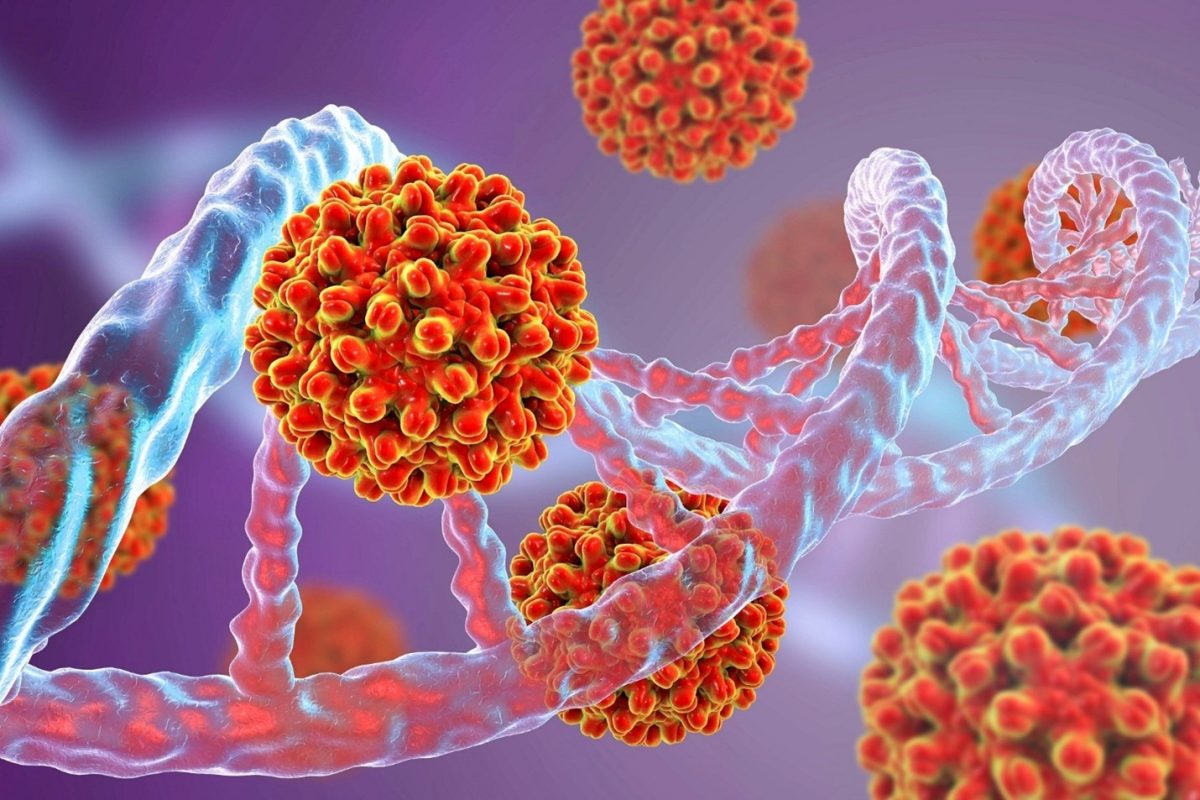
How dangerous is Hepatitis B? How is it transmitted? What are the early warning signs? How to prevent it with vaccines and lifestyle changes? All the important information, explained simply and clearly. Protect your liver today!
1. Causes of Hepatitis B
Hepatitis B (HBV) is a dangerous virus. Once it enters the body, this virus particularly "prefers" to attack and multiply within our liver cells.
The worrying thing is that the hepatitis B virus is very "clever." It has a very good ability to "hide," making it difficult for the immune system – the body's defense force – to detect and eliminate it in time. This "hiding" leads to silent, long-term damage to the liver.
2. How is Hepatitis B transmitted? Understanding it correctly is key to prevention.
Understanding the modes of transmission is key to effective prevention. The Hepatitis B virus is NOT transmitted through ordinary contact such as shaking hands, hugging, sneezing, coughing, sharing utensils, or eating food cooked by an infected person.
⛔ 3 main routes of transmission:
- Bloodborne Transmission: Sharing needles (drug addicts), syringes, medical instruments/tattoo/piercing equipment that are not properly sterilized. Sharing personal items that are easily contaminated with blood such as razors, toothbrushes, nail clippers.
- From Mother to Child: This is a common route of transmission in children. Pregnant mothers infected with HBV can transmit the virus to their children, especially with a very high risk (over 90%) if no protective measures are taken immediately after birth (vaccination and specific serum for the baby).
- Sexual Transmission: Unsafe sexual intercourse (without using a condom) with an infected person, whether heterosexual or homosexual, carries a risk of infection due to contact with semen, vaginal fluid, or blood.
3. Symptoms of Hepatitis B
One notable and also very dangerous aspect of hepatitis B is: Many people have the disease but show no obvious symptoms., this is especially true for young children under 5 years old or those with weakened immune systems. They may carry the virus and unknowingly spread it to others.
⚠️ In adults and older children (over 5 years old), when suffering from acute hepatitis B, the following signs may appear (but not everyone will have all of them):
- Persistent fatigue, unexplained lethargy, and possibly a mild fever.
- Loss of appetite, lack of enjoyment in eating.
- Nausea, pain or discomfort in the right lower rib area (where the liver is located).
- Jaundice, yellowing of the eyes (the most obvious sign)
- Dark urine, like the color of tea.
- The manure is pale, like clay.
👉 LỜI KHUYÊN: Nếu có các dấu hiệu trên đặc biệt là vàng da, hãy đi xét nghiệm máu ngay!
4. Diagnosing Hepatitis B: Blood Tests Are Key
The doctor will ask about your medical history (have you been exposed to a source of infection? Does anyone in your family have it?) and the symptoms you are experiencing. However, the key to certainty whether you have hepatitis B and what stage you are in can be determined through the following methods: blood test specialized:
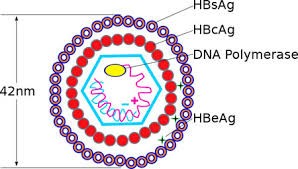
- HBsAg (Surface Antigen) Test: This is the first and most important test. The result is "Positive". that means you currently infected with hepatitis B virus. in the body.
- Anti-HBs Test (Surface Antibody): A "Positive" result is good news! It indicates that you have protective antibodies, possibly due to full vaccination or a previous infection where your body successfully eliminated the virus.
- Viral Infection & Activity Assessment Tests (HBeAg, Anti-HBe): These tests help doctors assess whether the virus is actively replicating, easily transmissible to others, and to some extent evaluate the response to treatment.
- Core Antibody Test (Anti-HBc): Helps determine if you have been exposed to the HBV virus in the past (you may have recovered or are currently chronically infected).
- HBV-DNA Test: Measure the actual amount of virus present in the blood. A high viral load means a higher risk of liver damage and a greater likelihood of infection.
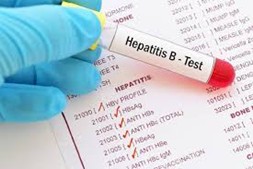
Your doctor is the best person to explain the results to you! Don't self-diagnose based on your test results.
5. Treatment of Hepatitis B: Can it be completely cured?
- Acute Hepatitis B: In most cases, the body can eliminate the virus on its own without the need for specific medication. Treatment mainly involves rest, a healthy diet, close monitoring, and protecting the liver.
- Chronic Hepatitis B: This is a condition where the virus remains in the body for an extended period (> 6 months). Most patients will require long-term, even lifelong, treatment.. The treatment goals are:
- Inhibiting viral replication (using antiviral drugs).
- Prevent or slow the progression of cirrhosis and liver cancer.
- Reduce the risk of infecting others.
💡 Strict adherence to the treatment plan and regular follow-up appointments with the doctor are crucial for survival. to effectively control chronic hepatitis B.
6. Preventing Hepatitis B: Vaccines and How to Protect Yourself
The good news is that Hepatitis B is COMPLETELY PREVENTABLE! This is the most powerful weapon:
Hepatitis B Vaccination: This is a way to prevent the disease safest and most effective, creating long-lasting protective antibodies. The vaccine is recommended for:
- All newborns (vaccinated within the first 24 hours after birth).
- Children and adolescents who have not received all doses: Administer 3 doses (0-1-6 months).
- Adults do not have protective antibodies (checked using the Anti-HBs test).
- Those at high risk (healthcare workers, people living with someone infected with HBV, people with multiple sexual partners, etc.).
🛡️ 4 ways to prevent it without medication:
- Absolutely do not share: needles, syringes, razors, toothbrushes, nail clippers, etc., with anyone.
- Safe sex: Always use condoms correctly with partners whose HBV infection status is unknown.
- Be cautious with tattoo and piercing services: Only go to reputable establishments that ensure all equipment is completely sterile.
- Safe handling when in contact with blood: Wear medical gloves if you have to care for someone else's wound or clean up blood.
If you suspect you have been exposed to a source of hepatitis B infection. (for example: stepping on a needle, unprotected sex with an infected person…), please see a doctor IMMEDIATELYIn some cases, doctors may prescribe a vaccine combined with specific immune serum within 24-48 hours to prevent infection.
7. Conclusion & Practical Action
Hepatitis B is a dangerous disease, but it is completely preventable and controllable. Understanding the transmission routes, symptoms, and prevention methods is key to protecting yourself and your loved ones.
⏰ TAKE ACTION TODAY!
- Check your and your child's vaccination records.
- Blood tests are recommended if the condition is unclear.
- Share this information with your family and friends.
Protect your liver today – Enjoy a healthy life tomorrow!
References
- Hepatitis B. MedlinePlus. Updated February 7, 2024. Accessed June 2, 2025. https://medlineplus.gov/hepatitisb.html
#ViêmGanB #VacxinViêmGanB #DauHieuViêmGanB #HBV
#PhongNguaViêmGanB #XetNghiemViêmGanB #DieuTriViêmGanB #BaoVeLaGan #TiemChung #HBsAg #AntiHBs #HanhDongNgay #NguyenNhanViêmGanB #DieuTriViêmGanB
