 EN
EN  VN
VN 
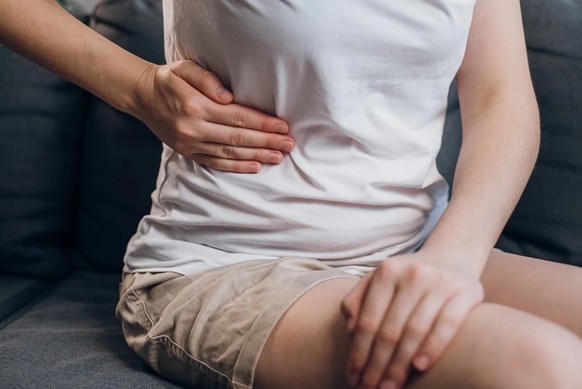
Have you ever woken up in the middle of the night because of a dull ache in your stomach, or suddenly tensed up with a cramping sensation as if someone were twisting your intestines? Stomach pain – a seemingly familiar symptom, yet it hides countless mysteries, from minor problems to urgent warning signs. Let's explore the secrets to "decoding" the causes of stomach pain so you're no longer caught off guard when your stomach "speaks up," and learn effective ways to deal with it, according to experts!
1. Causes of Stomach Pain – Where Does the "Culprit" Come From?
Abdominal pain can be caused by many different factors, depending on the location and nature of the pain. Some common causes include:
- Digestive disorders: Bloating, indigestion, constipation, or diarrhea can cause abdominal pain.
- Gastritis:Inflammation of the stomach lining due to bacterial infection, prolonged use of painkillers, excessive alcohol consumption, or prolonged stress.
- Appendicitis: Severe abdominal pain in the lower right abdomen, accompanied by fever and nausea.
- Irritable bowel syndrome (IBS): Frequent cramping in the stomach, accompanied by diarrhea or constipation, especially when under severe stress. Abdominal pain often occurs during the day.
- Gallstones: Severe abdominal pain in the upper right abdomen, possibly radiating to the back, possibly accompanied by fever and jaundice.
- Pancreatitis: Severe abdominal pain in the upper abdomen, often accompanied by nausea and vomiting.
- Urinary tract infection: Lower abdominal pain accompanied by painful urination and frequent urination.
- Gynecology: In women, abdominal pain may be related to menstruation, ovarian cysts, or pelvic inflammatory disease.
 Stomach ache is a common symptom in life.
2. When Should You See a Doctor?
Stomach pain is sometimes your body's cry for help. See a doctor IMMEDIATELY if you experience:
- Severe and prolonged abdominal pain.
- Abdominal pain accompanied by abdominal rigidity when you touch it.
- Abdominal pain accompanied by high fever, vomiting, or inability to eat or drink.
- Abdominal pain accompanied by vomiting blood, bloody stools, or black stools.
- Abdominal pain accompanied by shortness of breath, dizziness, or fainting.
- Abdominal pain in pregnant women.
3. Home Remedies for Mild Pain – Effective Treatment Methods from Experts
In cases of mild stomach pain, you can apply some temporary measures to relieve the pain:
-
Relax your whole body: Avoid strenuous activity, lie down and rest in a comfortable position.
-
Warm compress: Use a warm compress bag on the painful abdominal area to reduce spasms.
-
Drink warm water: Drinking small sips of warm water can help soothe the pain.
-
Avoid spicy, hot, and greasy foods: Eat light meals with easily digestible foods such as porridge and soup.
4. Prevention is Better Than Cure – Secrets to Maintaining a Healthy Gut
To prevent stomach aches, you should:
-
Healthy eating: Limit fatty and spicy foods, and increase your intake of green vegetables and fiber.
-
Drink enough water:Drink at least 2 liters of water every day.
-
Control stress: Stress can affect the digestive system, causing stomach pain. Meditation, yoga, or simply deep breathing for 5 minutes each day
-
Regular health check-ups:Early detection of abnormalities – don't wait until your body "speaks up" with pain!
5. Message from the Expert
Stomach pain is a common symptom, but don't become a self-diagnosing "home doctor." If the pain persists or is accompanied by serious symptoms, you should see a doctor for timely diagnosis and treatment. Understanding the causes and how to manage stomach pain will help you better protect your health.
Health is wealth – don't hesitate to take action to protect this most precious asset!
Hopefully, this article has provided you with useful information about stomach pain. Always listen to your body and take care of your health holistically!
#ĐauBụng #NguyênNhânĐauBụng #SứcKhỏeTiêuHóa #BảoVệSứcKhỏe #CáchGiảmĐauBụngTạiNhà #ThựcĐơnChoNgườiĐauBụng #DấuHiệuNguyHiểmCầnGặpBácSĩ #YHọcThườngThức #PhòngBệnhHơnChữaBệnh
References:
- U.S. National Library of Medicine. Abdominal pain. MedlinePlus. Updated October 15, 2023. Accessed June 25, 2024.
https://medlineplus.gov/abdominalpain.html
