 EN
EN  VN
VN 
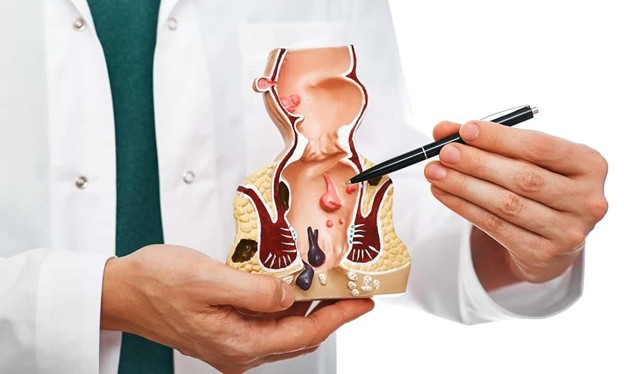
Have you ever wondered: “Why can a small part of the body like the anus become such a major threat to health?” Anal cancer – a little-discussed but equally dangerous disease – is silently increasing in modern society. This article will guide you from SURPRISE to UNDERSTANDING, equipping you with the knowledge to proactively deal with it!

1. Anal Cancer – The "Shadow Enemy"
HPV infection:80% of anal cancer cases are related to HPV, especially HPV strains 16 and 18 (According to the World Health Organization WHO).
Weakened immune system:People with HIV or taking immunosuppressant drugs are at higher risk.
Anal sex: Anal sex increases friction, creating cracks – “openings” for HPV to enter.
Smoking: Increases the risk of many types of cancer, including anal cancer.
Age: The risk increases with age, especially after age 50.
2. Common Symptoms
- Bleeding from the anus.
- Itching, pain, or discomfort in the anal area.
- A lump or sore appears near the anus.
- Changes in bowel habits, such as prolonged constipation or diarrhea.
3. Diagnostic and Treatment Strategies
3.1. Diagnosis
Modern medicine helps to detect anal cancer early in just 3 steps:
- Digital rectal examination (DRE): The doctor uses a finger to check for abnormalities for 60 seconds.
- Rectoscopy, Ultrasound endoscopy + Biopsy:Miniature camera “examining the intestines” combined with cell sampling.
- PET-CT/MRI:Tomographic scan to determine disease stage and extent of metastasis.
3.2. Treatment methods
- Combined radiotherapy and chemotherapy:Effective for patients in the early stages. Destroys cancer cells without surgery.
- Surgical removal of the tumor: Applied when the tumor is large or recurs.
- Immunotherapy:Activates the immune system to attack cancer cells.
4. Disease Prevention – Protect Yourself Starting Today
Protect yourself against anal cancer with just 4 "Golden Shields":
- HPV Vaccination: Women aged 9-26 and men aged 9-21 should get the HPV vaccine to help prevent infection with high-risk HPV strains.
- Safe sex: Use condoms, apply water-based lubricant to avoid anal abrasions, and limit the number of sexual partners.
- Say NO to cigarettes: Reduces the risk of developing many types of cancer.
- Regular screening:If you belong to a high-risk group (HIV infection, same-sex relationships), you should have regular checkups
5. Final Words: Power Lies in Understanding
Although rare, anal cancer can have serious consequences if not detected and treated promptly.
Anal cancer is not a "death sentence"—it only becomes dangerous when we take precautions. SUBJECTIVE.
Remember: Every delay in seeking medical attention is a lost chance of survival.
#UngThưHậuMôn #HPV #VắcXinHPV #SứcKhỏeHậuMôn #PhòngBệnhHiệuQuả #QuanHệAnToàn #BỏThuốcLá #TầmSoátUngThư #PhátHiệnSớm
References
- MedlinePlus. Anal cancer. MedlinePlus. https://medlineplus.gov/analcancer.html. Updated October 15, 2023. Accessed June 20, 2024.
