 EN
EN  VN
VN 
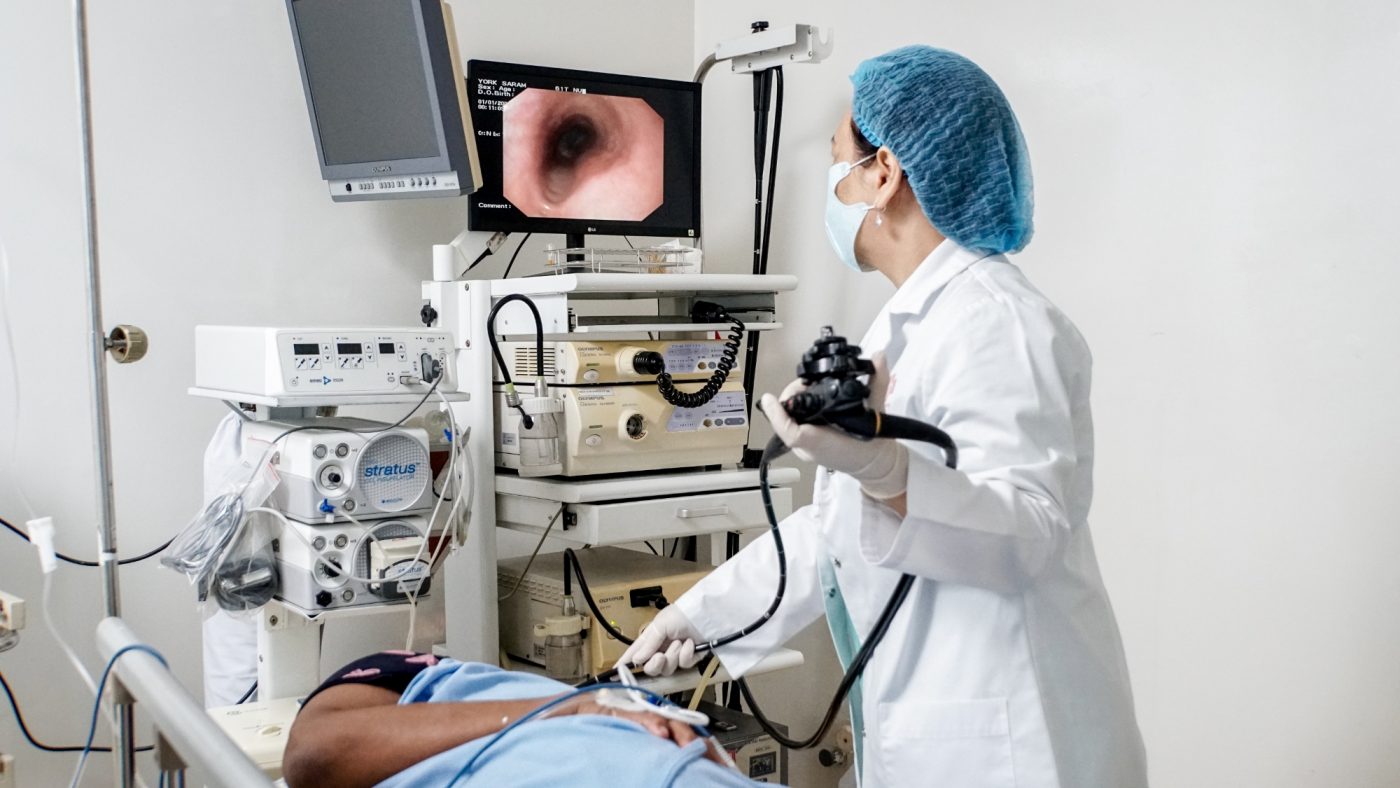
Gastrointestinal endoscopy is an advanced technique that helps detect and treat digestive diseases early, from ulcers to cancer, providing high effectiveness for patients and improving the quality of healthcare.
1. What is gastrointestinal endoscopy?
Gastrointestinal endoscopy is a modern medical technique that uses a flexible, thin endoscope with a small camera to directly observe the inside of the digestive tract. This technique allows doctors to clearly see organs such as the esophagus, stomach, duodenum, and colon to detect and treat potential diseases.
Besides observation, gastrointestinal endoscopy can also perform therapeutic interventions, such as:
- Polyp removal: Removing small tumors before they develop into cancer.
- Hemostasis: Treatment of gastrointestinal bleeding caused by ulcers or ruptured blood vessels.
- Digestive tract widening:Treatment of esophageal or digestive tract narrowing due to scarring.

2. Benefits of gastrointestinal endoscopy
a. Early diagnosis of dangerous diseases:
- Gastrointestinal endoscopy can detect even the smallest lesions, from inflammation and ulcers to infections, polyps, or early-stage cancer.
- Early diagnosis helps increase the success rate of treatment, especially for dangerous diseases such as stomach cancer and colorectal cancer.
b. Minimally invasive treatment:
- Compared to traditional surgery, gastrointestinal endoscopy is a less invasive treatment method that provides greater comfort for patients.
- Faster recovery time allows patients to return to their normal lives sooner.
c. Economic efficiency:
- Endoscopic techniques are generally less expensive than other invasive diagnostic and treatment methods, reducing the financial burden on patients.

3. Applications of gastrointestinal endoscopy in Vietnam
In recent years, gastrointestinal endoscopy has made remarkable progress in Vietnam, thanks to:
a. Support from international organizations:
- Through cooperation with major organizations worldwide, Vietnam has adopted many advanced endoscopic technologies, such as chromoendoscopy, magnified endoscopy, and ultrasound endoscopy.
- These technologies help improve the accuracy of diagnosis and the effectiveness of treatment.
b. Professional training:
- Advanced training courses in gastrointestinal endoscopy are held regularly, helping medical staff improve their skills and update their knowledge.
- The Vietnam Society of Interventional Gastrointestinal Endoscopy (VIGES) plays a crucial role in connecting the professional community, organizing workshops, and transferring technology.
c. Widely applied in hospitals:
- Currently, major hospitals and medical centers in Vietnam have implemented modern endoscopic techniques, resulting in high treatment effectiveness and improved healthcare quality.

4. The future of gastrointestinal endoscopy in Vietnam
With the continuous development of technology and support from healthcare organizations, gastrointestinal endoscopy in Vietnam promises to achieve even more outstanding achievements. The goals include:
- Standardize endoscopy procedures at healthcare facilities nationwide.
- Increase the rate of early detection of gastrointestinal cancers.
- Improving the quality of treatment to meet international standards.
