 EN
EN  VN
VN 
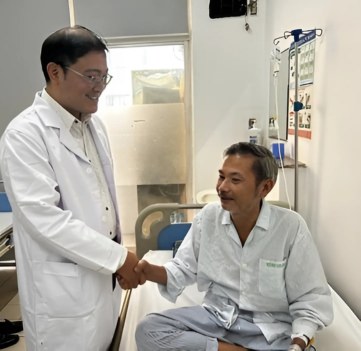
Esophageal cancer is a serious malignancy, often detected late due to a lack of clear symptoms in the early stages, with a 5-year survival rate of less than 20%. However, with advances in medicine, especially gastrointestinal endoscopy, early detection and treatment of esophageal cancer have become possible, offering many patients a chance of complete cure.
Patient's story:
Mr. Nguyen Van A., 54 years old, residing in Hanoi, had no unusual digestive symptoms. During a routine health check-up, he underwent a gastrointestinal endoscopy. The results revealed a small lesion, approximately 1 cm in size, on the esophageal mucosa. A biopsy confirmed it to be early-stage esophageal cancer.
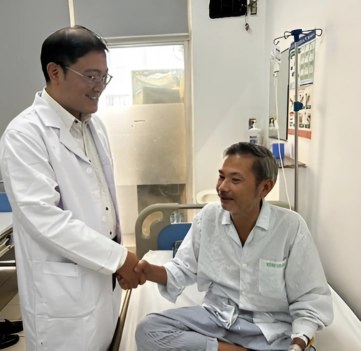
Image 1: Dr. Nguyen The Phuong – Head of the Department of Upper Gastrointestinal Pathology – Center for Gastroenterology and Hepatology, Member of the Executive Board and Deputy Head of the Gastrointestinal Pathology Committee of the Vietnam Society of Interventional Gastrointestinal Endoscopy (VIGES), lecturer in Internal Medicine, Hanoi Medical University.
Treatment method:
Mr. A was advised to undergo endoscopic submucosal dissection (ESD). This is an advanced method that allows for the complete removal of tumors in the gastrointestinal mucosa without surgery. The procedure is gentle; the patient experiences minimal pain and recovers quickly. After the intervention, Mr. A was discharged shortly after the procedure and did not require additional treatment such as chemotherapy or radiation therapy.
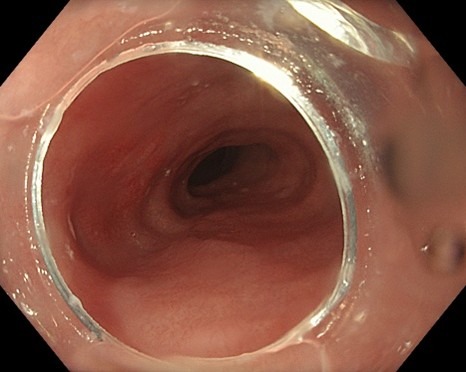
Image 2: Early esophageal cancer lesions are easily missed with conventional white light endoscopy.
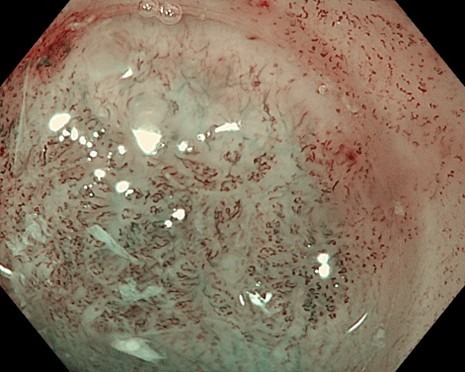
Image 3: Microstructure and microcapillaries of the lesion are accurately observed and evaluated on magnified endoscopy.
Benefits of early detection and treatment:
- High-resolution, magnified, and image-enhanced gastrointestinal endoscopy can detect early-stage esophageal cancer lesions in the mucosal layer with a very low risk of metastasis (0-4%), paving the way for endoscopic treatments to achieve radical cure.
- High survival rate: According to statistics, the 5-year survival rate for patients with stage I esophageal cancer is 80-90%.
- Reduced complications: ESD is a minimally invasive procedure that minimizes damage to surrounding tissues and the risk of complications, allowing for faster patient recovery.
- Improving quality of life: Early treatment helps patients avoid complex therapies, preserve esophageal function, and quickly return to normal life.
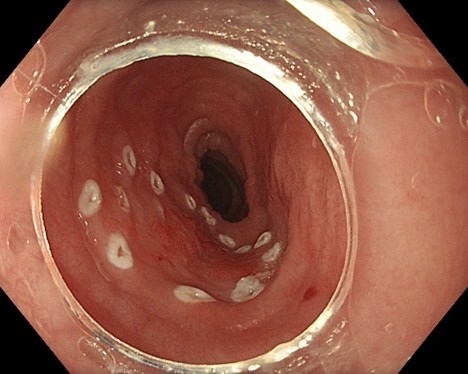
Image 4: Early esophageal cancerous lesion is marked around the edges – this is one step of the endoscopic submucosal dissection (ESD) technique.
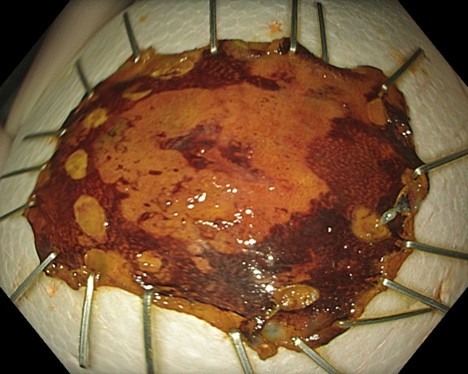
Image 5: Early esophageal cancer lesion removed en bloc using endoscopic submucosal dissection (ESD).
Recommendation:
Regular health checkups, especially gastrointestinal endoscopy, play a crucial role in the early detection of precancerous lesions or early-stage cancer. Individuals over 50 or with risk factors such as smoking, alcohol consumption, or a family history of esophageal cancer should undergo regular screenings to protect their health.
Image 5: Early esophageal cancer lesion removed en bloc using endoscopic submucosal dissection (ESD).
Take care of your health and your family's health by undergoing regular checkups and screenings for digestive cancers. Early detection and treatment not only save lives but also lead to a better quality of life.
The Gastroenterology and Hepatology Center at Bach Mai Hospital is equipped with state-of-the-art endoscopic equipment, along with a team of highly trained and experienced doctors specializing in diagnostic and interventional endoscopy for early-stage gastrointestinal cancer.
