 EN
EN  VN
VN 
"Did you know: Severe abdominal pain accompanied by bloody diarrhea can be a warning sign of ischemic colitis – a dangerous but little-known condition? This article will help you understand the causes, how to treat it promptly, and how to prevent life-threatening complications!"
1. What is ischemic colitis?
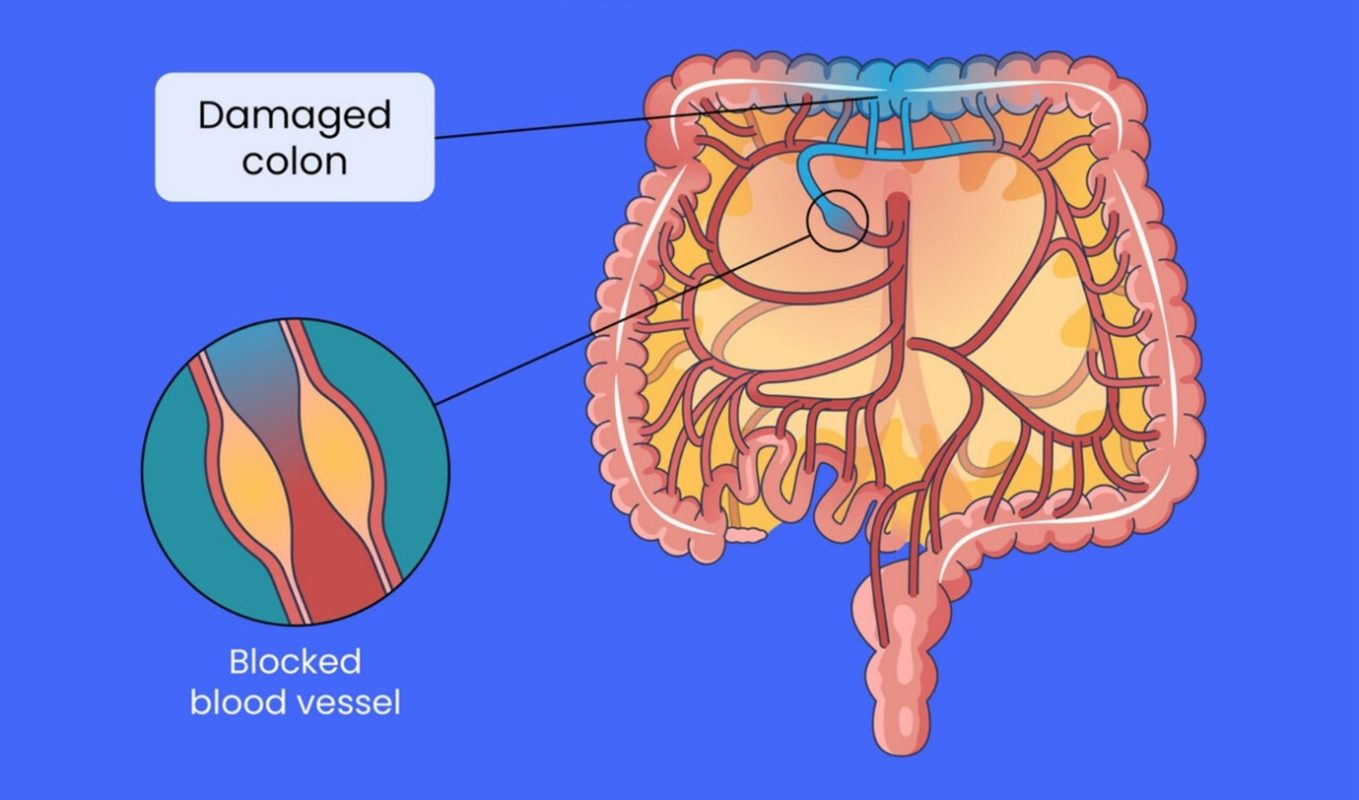
Ischemic colitis occurs when the blood vessels supplying the large intestine are temporarily "blocked," much like a clogged water pipe. At this time, the intestinal cells do not receive enough oxygen, leading to swelling, pain, and damage, and may even cause necrosis of that section of the intestine.
The cause is often due to narrowed blood vessels (such as blood clots, fat deposits, etc.) or a sudden drop in blood pressure due to dehydration, heart disease, etc. The pain usually occurs on the left side of the abdomen, however any section of the intestine can be affected.
This disease is easily mistaken for common colitis hoặc food poisoning. A doctor may prescribe antibiotics, painkillers, or surgery if the bowel is necrotic. Fortunately, most mild cases will resolve on their own after 2-3 days with proper rest. However, if you notice severe abdominal pain and bloody diarrhea, "you need to go to the hospital immediately – any delay could lead to a perforated bowel or a life-threatening infection!"
2. 5 signs to recognize
✅ Đau bụng dữ dội bên trái: Đau như dao đâm, không giảm khi nghỉ ngơi.
✅ Đi ngoài phân máu: Máu đỏ tươi hoặc nâu sẫm, có thể lẫn trong phân hoặc chỉ ra máu.
✅ Buồn nôn, chóng mặt: Kèm theo mệt mỏi, vã mồ hôi.
✅ Tiêu chảy liên tục: Đi ngoài nhiều lần, phân lỏng.
✅ Mót rặn: Cảm giác muốn đi đại tiện ngay.
Ischemic colitis causing right-sided abdominal pain carries a higher risk of serious complications compared to left-sided abdominal pain. Individuals with right-sided colitis often have a history of multiple comorbidities such as hypertension, atrial fibrillation, and kidney disease, increasing their risk of surgery and mortality.
3. Who is most susceptible?
Several factors can increase the risk of ischemic colitis:
- Older adults (over 60): Blood vessels are hardened and prone to blockage.
- Low blood pressure in people is often associated with dehydration, heart failure, surgery, trauma, or shock.
- Individuals with a history of abdominal surgery: Bowel obstruction due to hernia, scar tissue, or tumor.
- Surgery involving the heart or blood vessels, or the digestive system or gynecology.
- Patients with a history of anemia-causing conditions such as lupus, sickle cell anemia, vasculitis, factor V Leiden disorder, etc.
- For users of birth control pills and cardiovascular medications: Some medications can cause vasoconstriction.
- Marathon runners: Overtraining causes blood to pool in the muscles, reducing blood supply to the intestines.
- People with colon cancer: rare.
4. Dangerous complications if treatment is delayed.
- Intestinal necrosis: Requires surgical removal of the damaged section of intestine.
- Intestinal perforation: Causes peritonitis and sepsis.
- Intestinal obstruction: Severe abdominal pain, high risk of death
5. Effective prevention methods
- Drink at least 2 liters of water per day: Keeps blood vessels functioning well.
- Gentle exercise: Walk for 30 minutes a day instead of strenuous exercise.
- Avoid tobacco and alcohol: Causes of atherosclerosis.
- Regular health check-ups: Especially if you are over 50 or have cardiovascular disease.
Abdominal pain so severe that it prevents sitting still or finding a comfortable position is a case of acute abdominal pain requiring medical attention. Early diagnosis and treatment can help prevent serious complications.
#ViêmĐạiTràngThiếuMáuCụcBộ #BệnhĐườngTiêuHóa #ĐauBụngDữDội #ĐiNgoàiRaMáu #NgườiBệnhTimMạch
