 EN
EN  VN
VN 
Gastroesophageal reflux disease (GERD) causes heartburn and a burning sensation in the chest. Let's explore the causes, symptoms, and effective treatments at home or as prescribed by a doctor!
1. What is Gastroesophageal Reflux Disease (GERD)?
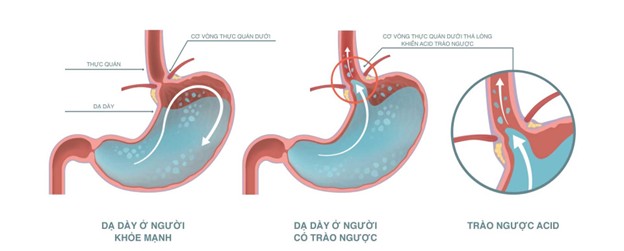
Gastroesophageal reflux disease (GERD) is a condition that occurs when stomach acid frequently flows back up into the esophagus (the tube connecting the mouth to the stomach). In a healthy person, the lower esophageal sphincter closes after food passes into the stomach. If this muscle is weak or abnormally relaxed, acid will reflux, damaging the esophageal lining, leading to inflammation and uncomfortable symptoms.
5 Causes of Acid Reflux We Should Know:
- Unhealthy eating habits: Fried foods, spicy and sour foods, eating late at night.
- Drinking alcohol and coffee: relaxes the esophageal sphincter.
- Smoking: Increases gastric acid secretion.
- Prolonged stress: stimulates the stomach to produce acid.
- Pregnancy/Obesity: Abdominal pressure pushes acid up into the esophagus.
2. Signs and Symptoms of Gastroesophageal Reflux Disease – How Many Symptoms Are You Experiencing?
Gastroesophageal reflux disease (GERD) typically causes the following symptoms:
- Heartburn, acid reflux: Burning sensation from the chest spreading to the neck, worsening when lying down or after eating.
- Acid reflux: Sour/bitter taste in the mouth, belching, heartburn.
- Epigastric pain: pain above the navel
- Difficulty swallowing, feeling: like there's something stuck in the throat
- Insomnia: Discomfort and coughing at night due to reflux while sleeping.
- Bad breath: Acid reflux causes an unpleasant odor.
3. Who is susceptible to acid reflux? Risk factors to be aware of!
- Overweight and obese people who are sedentary.
- Unhealthy lifestyles and eating habits include consuming alcohol, coffee, tea, eating too many sour foods, eating too much fatty food, lack of exercise, lying down immediately after eating, etc.
- Smoking cigarettes or passive smoking from tobacco smoke.
- People who work under stress and stay up late constantly.
- Pregnant women (from the 4th month onwards).
- Diaphragmatic hernia: A bulge in the upper part of the stomach that protrudes above the diaphragm.
- People with a history of conditions such as scleroderma, delayed gastric emptying, etc.
4. When should I see a doctor?
- You should seek immediate medical attention if you experience upper abdominal pain, chest pain, especially if accompanied by shortness of breath that could be mistaken for symptoms of cardiovascular disease – these could be symptoms of a heart attack.
- There are severe or frequent symptoms of gastroesophageal reflux disease that affect daily life.
- I have to take medication for gastroesophageal reflux disease at least twice a week and it doesn't help.
5. Treating Gastroesophageal Reflux Disease: Expert Solutions
5.1. Home treatment, without medication.
-
Adjust your diet:
– Limit certain foods: spicy foods, sour foods, hot foods, stimulants (tea, coffee, alcohol, etc.), carbonated drinks, chocolate, mint, onions, garlic, etc.
– Ăn vừa phải: Không ăn quá no, không để quá đói.
– Eat on time: Avoid eating too late and lying down immediately after eating. The last meal of the day should be finished at least 3 hours before bedtime.
– Eat slowly and chew thoroughly: This reduces digestive pressure and prevents swallowing air.
-
Lifestyle changes:
– Elevate your head while sleeping: Elevate your head with a pillow 10–15 cm high or use an anti-reflux pillow to prevent acid reflux at night.
– Sleeping on your left side: Keeps your stomach lower than your esophagus, reducing reflux.
– Weight loss: Being overweight increases abdominal pressure, easily causing reflux. Regular exercise helps with weight loss and sweating. Aim for 30 minutes to 2 hours per day, at least 5 days a week.
- Quit smoking
– Avoid bending over after eating: Limit exercise or strenuous work immediately after meals.
– Avoid anxiety and stress, avoid staying up late: Practice yoga, meditation, and deep breathing to reduce stress, which can worsen symptoms.
5.2. Treatment with medication
- Acid-reducing medications: Esomeprazole, Pantoprazole, ... (taken 30 minutes before meals).
- Alginate: Forming a "barrier" of alginate can help block acid reflux and prevent post-meal acid reflux.
- Antacids: Phosphalugel, Gastropulgite, ....
5.3. Endoscopic or surgical intervention
Gastroesophageal reflux disease (GERD) that does not respond to medication or lifestyle changes may require endoscopic intervention (esophageal sphincterotomy with LINX silicone rings, esophageal sphincter thickening injections, microscarring of the sphincter to tighten the muscle, Stretta Procedure, etc.) or surgery (Nissen fundoplication, etc.).
Conclude:
Whichever method you choose, combine them healthy lifestyle and adjustments chế độ ăn to optimize treatment effectiveness. Don't hesitate. CONTACT A DOCTOR if symptoms don't improve! Share this article to help your loved ones prevent the disease!
References
- Gastroesophageal Reflux Disease (GERD). MedlinePlus. Updated May 6, 2024. Accessed June 15, 2024. https://medlineplus.gov/gerd.html
#TràoNgượcDạDày #GERD #ỢHơi #ỢChua #SứcKhỏeTiêuHóa
#ĐauThượngVị #HôiMiệng #BéoPhì #MangThai #HútThuốcLá #CăngThẳng
#ĐiềuTrịTạiNhà #ĂnUốngLànhMạnh#ThuốcTràoNgược #PhẫuThuậtNộiSoi #PhòngNgừaGERD
